
Residential Towers in Qatar, Turkey & Saudi Arabia – Modern Urban Living Redefined
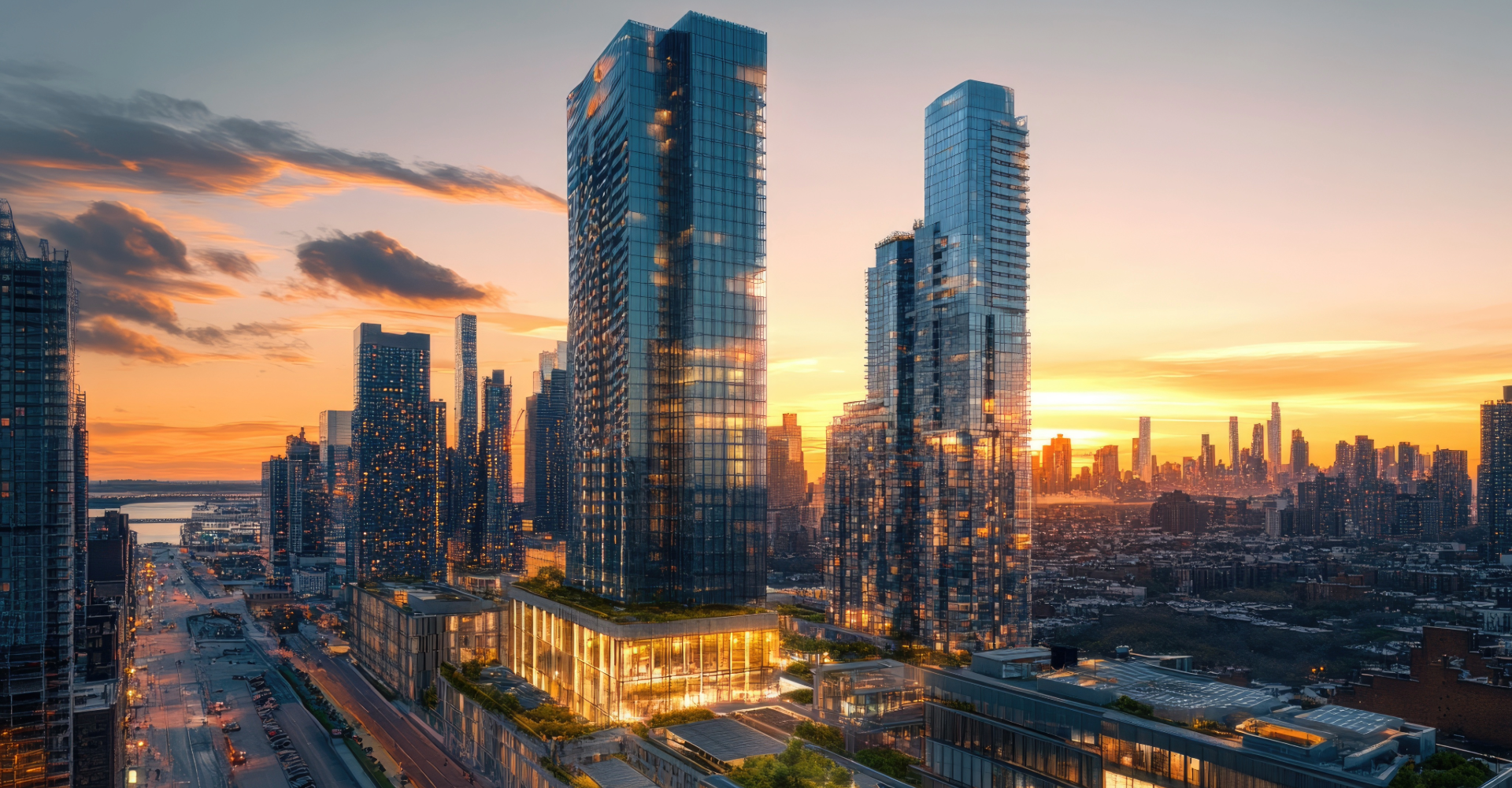
Residential towers in the Middle East are rapidly transforming the landscape of urban living. With awe-inspiring designs and top-of-the-line amenities, countries such as Qatar, Turkey, and Saudi Arabia are leading this architectural revolution. These towers are not just homes; they represent a new era of lifestyle and luxury, blending cultural elements with modern design sensibilities.
Growth of High-Rise Buildings in Qatar
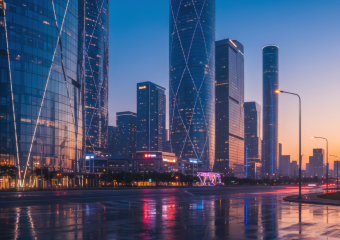
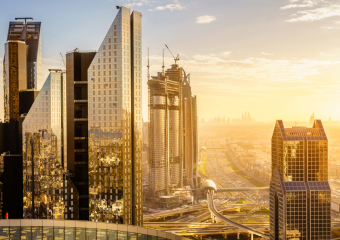
Qatar has emerged as a prominent player in the real estate sector, particularly in the development of residential towers. The skyline of Doha, Qatar’s capital, is dotted with impressive high-rise buildings that offer residents breathtaking views and luxurious living conditions. One of the standout features of Qatar’s residential towers is the integration of smart home technology, making everyday living more comfortable and convenient.

Buy/sell, rent/lease residential &
commercials real estate properties.
The increasing demand for high-end residential projects in Qatar can be attributed to several factors. The country’s growing economy and the influx of international businesses have led to a surge in expatriates and wealthy locals looking for premium housing. Moreover, Qatar’s preparations to host major international events, such as the FIFA World Cup, have spurred rapid development in its hospitality and residential sectors.
Transformation in Turkey’s Urban Living
Turkey, straddling two continents, presents a unique mix of historical charm and modern luxury in its residential developments. Cities like Istanbul and Ankara have seen a significant rise in the construction of residential towers. These structures are becoming symbols of Turkey’s modernization and its robust growth in urban development.
The appeal of residential towers in Turkey lies in their strategic locations and comprehensive amenities. Many are situated in close proximity to business districts, shopping centers, and cultural landmarks, offering a perfect blend of convenience and lifestyle. Additionally, Turkish residential towers often feature earthquake-resistant designs, considering the country’s seismic activity, thus ensuring the safety and security of the inhabitants.
Saudi Arabia’s Vision 2030 and Its Impact on Housing
Saudi Arabia’s ambitious Vision 2030 plan has a profound influence on its urban development strategies, particularly in the housing sector. The kingdom is witnessing a construction boom with the rise of residential towers that aim to meet the needs of its growing population and diversify the economy away from oil dependence.
These residential towers are part of larger mixed-use developments that include retail spaces, offices, and leisure facilities, making them self-sustained ecosystems. In cities like Riyadh and Jeddah, these towers are designed to conserve energy and water, aligning with the country’s goals to promote sustainability. The focus on green building practices is complemented by luxurious amenities such as spas, indoor swimming pools, and advanced security systems, setting new standards for residential living in the Middle East.
Conclusion: A Future of Sophisticated Urban Environments
The development of residential towers in Qatar, Turkey, and Saudi Arabia is a testament to the changing dynamics of urban living in these countries. These towers are not merely structures but are symbols of cultural progression, economic growth, and technological advancement. As more people move towards urban centers, the demand for housing that offers convenience, safety, and luxury will continue to grow.
The future of urban living in the Middle East looks promising with these residential towers redefining the essence of modern cities. As these countries continue to innovate and expand their architectural horizons, the global perception of Middle Eastern urban development is set to elevate, inviting more investors and residents to experience the pinnacle of modern urban living.