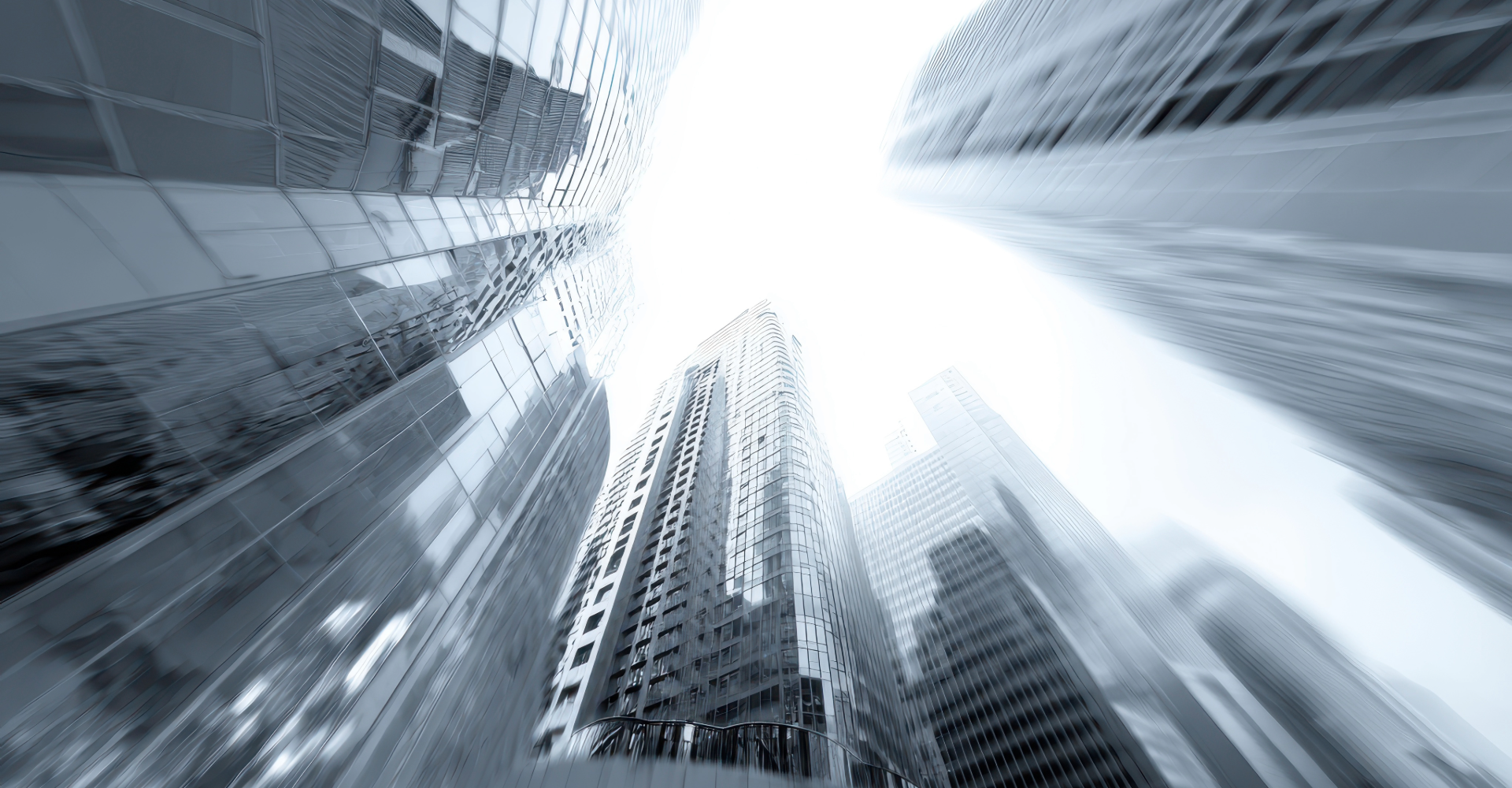
Green High-Rise Towers in Dubai, Turkey & Saudi Arabia – Sustainable Urban FuturesIntelligence
Green High-Rise Towers – The New Skyline Benchmark
Green high-rise towers are swiftly reshaping the skylines of prominent cities in the Middle East, setting new standards for sustainable development. As urban populations continue to grow, the demand for buildings that combine vertical living spaces with eco-friendliness has surged. Dubai, Turkey, and Saudi Arabia are at the forefront of this green building revolution, each incorporating unique strategies to combine architectural innovation with sustainability.

Buy/sell, rent/lease residential &
commercials real estate properties.
Dubai: A Frontier in Green Building Technology
Dubai has long been synonymous with architectural innovativeness, hosting some of the world’s most iconic skyscrapers. Recently, the city has pivoted towards sustainability, embedding green features into its new high-rise projects. Buildings such as the Cayan Tower and the Burj Khalifa have incorporated energy-efficient technologies that significantly reduce their environmental impact. For instance, the Burj Khalifa utilizes a condensate collection system wherein water from air conditioning is repurposed for irrigation, saving roughly 15 million gallons of water annually.
An outstanding example of this green initiative is The Opus by Zaha Hadid, a mixed-use development that not only features stunning design but also emphasizes energy-efficient systems and environmentally friendly materials. The tower uses insulated glazing, LED lighting throughout, and has high-performance HVAC systems designed to minimize energy consumption.
Sustainability in the Skies of Turkey
In Turkey, the push towards sustainable high-rises is part of a broader initiative to enhance energy efficiency across the architectural landscape. Istanbul is pioneering this movement with several green-certified towers that promote not only ecological construction but also contribute to a healthier urban atmosphere.
The Istanbul Sapphire, one of Turkey’s tallest buildings, exemplifies sustainability in urban living. It features a bioclimatic exterior, allowing it to harness natural resources to regulate temperature, supplemented by an advanced filtration system that reduces indoor air pollutants. Moreover, rooftop gardens and green terraces provide residents with a touch of nature, improving air quality and biodiversity.
Saudi Arabia’s Vision for a Green Future
The vision for green buildings in Saudi Arabia aligns closely with Vision 2030, a strategic framework aimed at reducing the nation’s dependency on oil and diversifying its economy. Green high-rise towers form a crucial component of this vision, signaling the country’s commitment to sustainable development.
The Kingdom Tower in Jeddah, which once completed, will surpass the Burj Khalifa in height, is set to implement eco-friendly technologies, including a high-tech façade that minimizes heat intake during extreme temperatures. Similar projects across Riyadh and other cities are incorporating solar panels, wind turbines, and smart technologies that optimize energy and water usage.
Challenges and Innovations
While the progress is impressive, the transition to green high-rises is not devoid of challenges. Issues such as high initial costs, the complexity of sustainable designs, and the need for educated maintenance can deter developers and investors. However, the long-term benefits — reduced operational costs, improved occupant health, and contributions toward climate change mitigation — present a compelling case.
Innovations continue to emerge as crucial enablers in overcoming these hurdles. For instance, new materials such as photovoltaic glass and phase-changing materials are becoming more common in these markets, offering better thermal insulation and energy generation onsite.
Conclusion: Building Towards a Greener Tomorrow
Dubai, Turkey, and Saudi Arabia are not just constructing buildings; they are molding the future of urban living. The emergence of green high-rise towers in these regions represents a significant shift towards sustainable development in densely populated urban centers. As these countries leverage their technological advances and innovative approaches to architectural design, the green high-rise towers not only redefine their skylines but also pave the way towards more sustainable urban futures globally. Encouraging further development in this direction can contribute immensely to global ecological conservation efforts, setting a benchmark for the rest of the world.