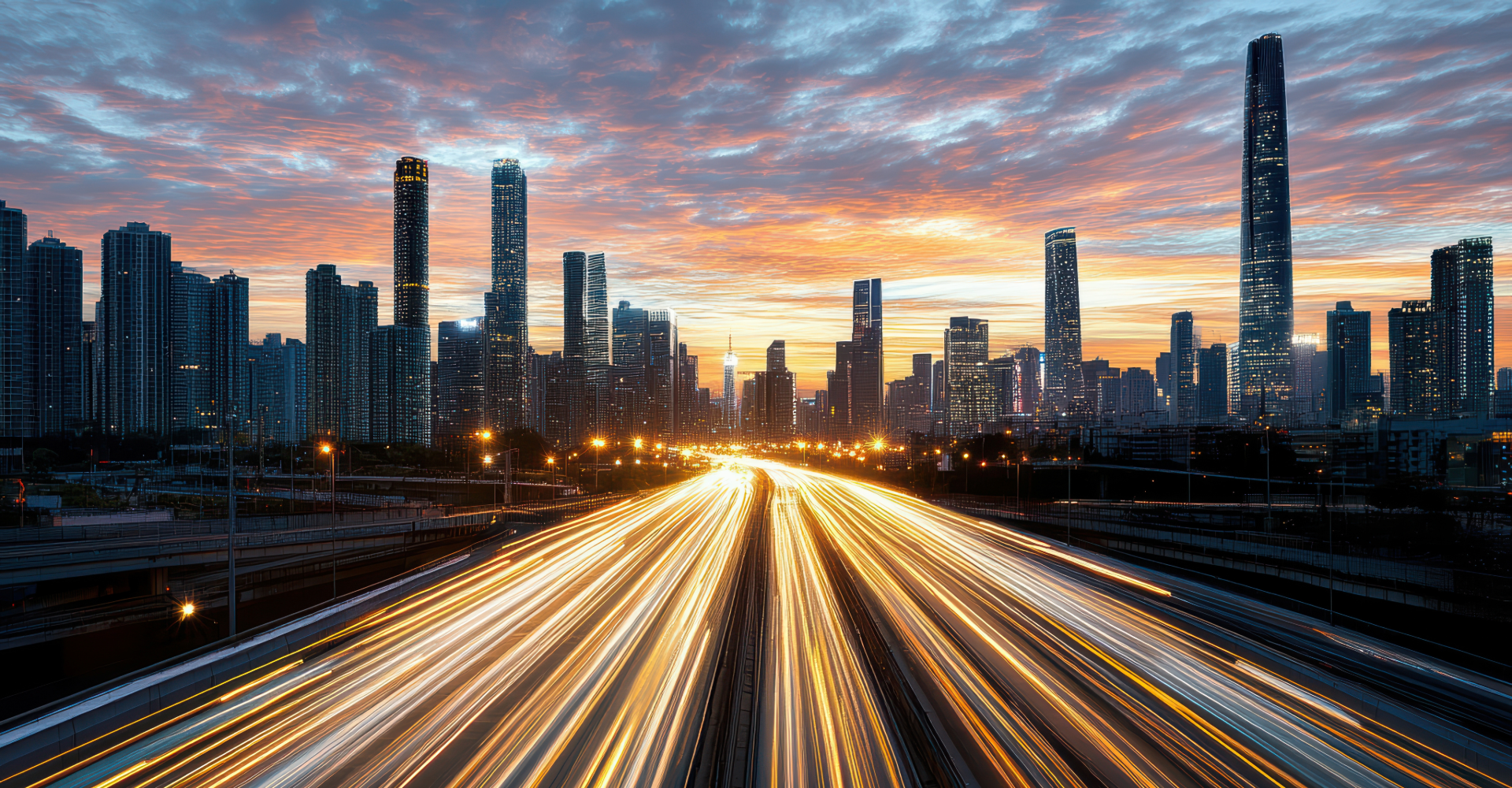
High-Rise Market Trends in Dubai, Saudi Arabia & San Francisco – Future of Urban Living
High-rise Market Trends and the Implications for Urban Living
The skylines of metropolitan hubs like Dubai, Saudi Arabia (focusing on Riyadh and Jeddah), and San Francisco have been transforming rapidly. This evolution is not just in the aesthetic and structural domains but significantly in the economic atmosphere each high-rise contributes to. As we delve into emerging trends within these cities, it becomes evident that high-rise buildings are playing a pivotal role in shaping the future of urban living.

Buy/sell, rent/lease residential &
commercials real estate properties.
Impact of High-Rises on Dubai’s Urban Landscape
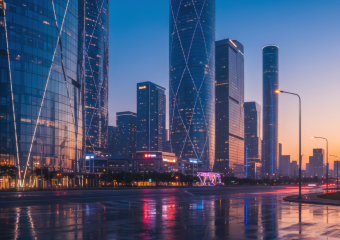
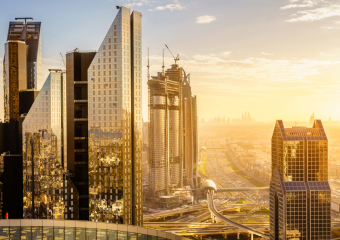
In Dubai, the high-rise market is synonymous with luxury and innovation. The city’s ambition to soar higher is visible in its skyline, which teems with architectural marvels like the Burj Khalifa and the upcoming Dubai Creek Tower. This trend towards vertical expansion is driven by the need to accommodate a growing population and the desire to attract international investors and tourists.
The impact is multifaceted: economically, high-rises in Dubai contribute significantly to the real estate market, with luxury apartments and offices in demand. Socially, they offer residents a taste of high-end urban living with state-of-the-art amenities. Environmentally, newer high-rises are incorporating green technologies, which align with the UAE’s vision for a more sustainable future.
High-Rise Evolution in Saudi Arabia’s Major Cities
Saudi Arabia’s vision 2030 has high-rise development at its heart, aiming to diversify the economy and reduce its oil dependence. Riyadh and Jeddah are at the forefront, pushing the envelope with projects like the Jeddah Tower, poised to be the next world’s tallest building. Such developments are not just about height but also about bringing in reforms like improved residential facilities, commercial spaces, and infrastructural enhancements.
The growth of high-rises in Saudi Arabia is also indicative of a cultural shift. As the country opens up more to international markets and norms, there’s a growing acceptance of more liberal urban lifestyles, facilitated by the mixed-use nature of these towers which blend residential, commercial, and leisure facilities, thereby fostering community interactions and a cosmopolitan way of life.
San Francisco’s High-Rise Market: A Response to Urban Challenges
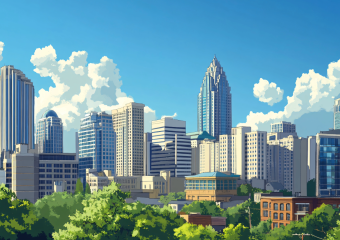
In San Francisco, the scenario is somewhat different. The high-rise boom is largely a response to urban challenges, including housing shortages and the need for office space due to the tech industry’s explosive growth. Structures like Salesforce Tower represent this trend, showing how high-rises can serve to meet critical urban housing and commercial needs while reshaping city contours.
However, high-rise development in San Francisco brings its set of challenges. The city confronts issues such as building in earthquake-prone zones and maintaining the architectural heritage. As a result, high-rise designs are increasingly focusing on incorporating advanced engineering to withstand natural calamities and integrating architectural elements that reflect the city’s historical aesthetic.
Future Trends: What Lies Ahead for Urban High-Rise Living?
As we look towards the future, several trends seem to be shaping the high-rise markets in Dubai, Saudi Arabia, and San Francisco. Sustainability is becoming a core element, with eco-friendly building materials and energy-efficient designs becoming the norm. Additionally, the integration of technology, particularly smart home features and IoT integration, is enhancing the living experience, making it safer and more convenient.
Another trend is the increasing focus on community-oriented spaces. High-rises are being designed with shared amenities like rooftop gardens, community halls, and health centers that offer residents spaces to interact and engage with one another. This shift is significant in promoting a sense of community in otherwise individualistic urban settings.
Conclusion: Rising High Into the Future
The high-rise market trends in Dubai, Saudi Arabia, and San Francisco illustrate a broader narrative of urban evolution. As these cities adapt to economic demands, cultural shifts, and environmental challenges, their skylines not only reflect their ambitions but also their commitment to innovation and sustainable development. It is clear that high-rises will continue to define the future of urban living, but how they do so will depend on how well they balance growth with the resident’s quality of life and environmental sustainability. Engaging with these trends is crucial for anyone involved in urban development, investment, or anyone who calls these towering cities home.